DCI subregional training successfully concludes in Pretoria
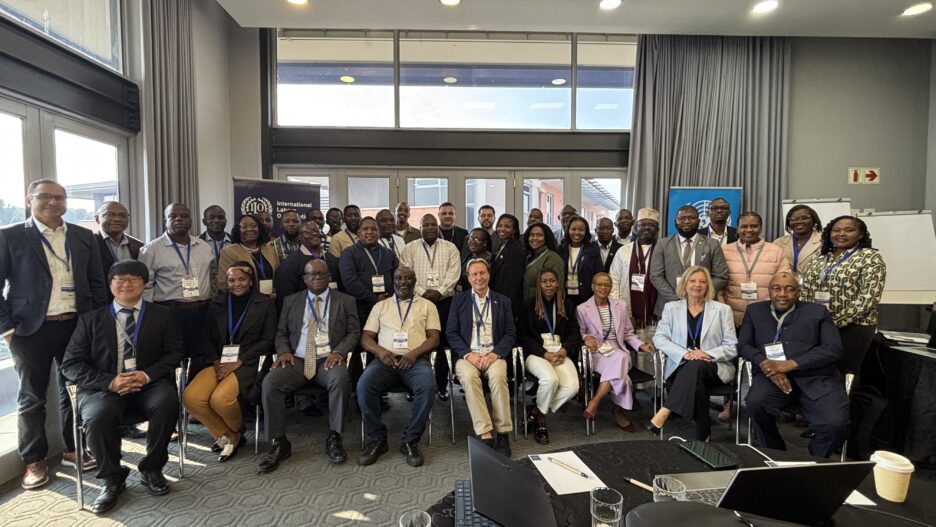
From June 1–5, 2026, under the Digital Convergence Initiative (DCI), the International Labour Organization, in partnership with The World Bank and the Deutsche Gesellschaft für Internationale Zusammenarbeit (GIZ), successfully delivered a subregional training on Advancing Digital Transformation and Interoperability in Social Protection in Pretoria, South Africa.
The training brought together 36 policymakers, programme managers, digital transformation leaders and technical specialists from countries across Africa, including Botswana, Cameroon, Eswatini, Liberia, Malawi, Namibia, Rwanda, South Africa, Tanzania, The Gambia, Zambia and Zimbabwe, to strengthen their knowledge and practical skills in designing, implementing and leading digital transformation initiatives in social protection systems. Participants represented ministries, social protection agencies, social security institutions, social registries, health insurance funds and digital government organisations from across the region.
The opening ceremony featured remarks from Mr. Alexio Musindo, ILO Director for the Pretoria Office; Mr. Jyrki Torni, First Counsellor and Head of Section for Global Gateway, Infrastructure and Green Transition at the Delegation of the European Union to South Africa; and Mr. Oscar Muremi, Senior Manager for Business Improvements and Systems at the South African Department of Social Development. Their remarks highlighted the growing importance of digital transformation and interoperability in strengthening the effectiveness, inclusiveness and resilience of social protection systems across Africa.
The training formed part of DCI’s broader efforts to support countries in advancing universal social protection through digital transformation and interoperability. Throughout the week, participants explored how governments can leverage digital technologies, effective data exchange and digital public infrastructure to improve service delivery, strengthen coordination across institutions and better respond to the needs of citizens.
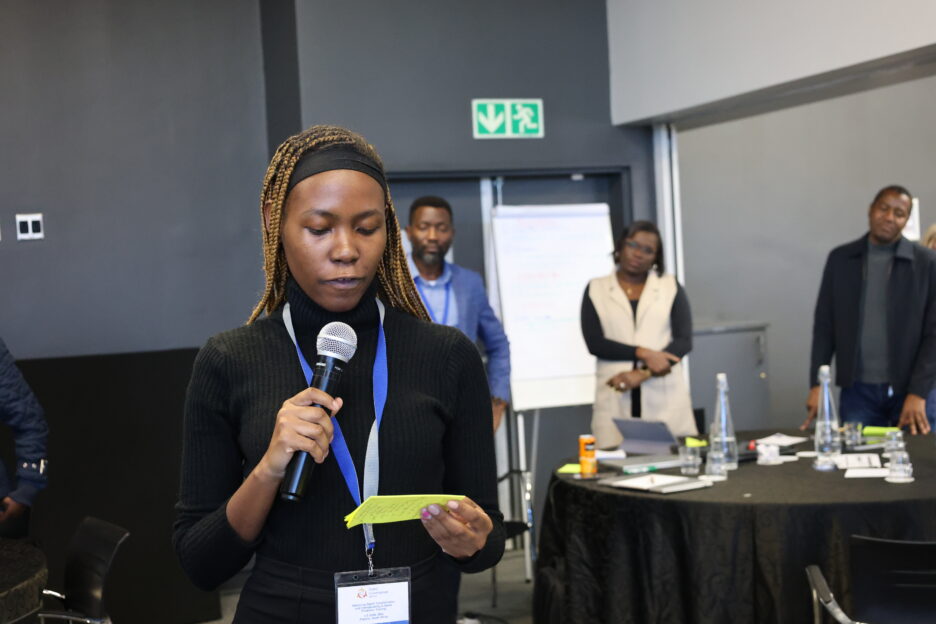
The training was facilitated by Dr Fidelis Hove, Principal at Genesis Analytics and a social protection and digital transformation expert, and Felipe Leão, Executive Manager of Innovation and Applied AI at Dataprev, with coordination and support provided by the ILO through the DCI. The programme covered a wide range of topics, including digital transformation and interoperability fundamentals, rights-based and human-centred approaches, service design, digital public infrastructure, enterprise architecture, data governance, digital leadership, adaptive governance, change management, financing and impact measurement. Learning was supported through a combination of expert presentations, group work, practical exercises, peer learning and real-world case studies from Africa and beyond.
The training equipped participants with both a stronger conceptual understanding of digital transformation and interoperability and practical tools that can be applied within their own institutions. By the end of the week, participants reported greater confidence in topics ranging from digital public infrastructure and data governance to digital inclusion, change management and leadership for transformation. Self-assessed knowledge levels increased substantially across all thematic areas, particularly in digital inclusion, anti-discrimination and data protection, where many participants had initially identified significant learning needs.
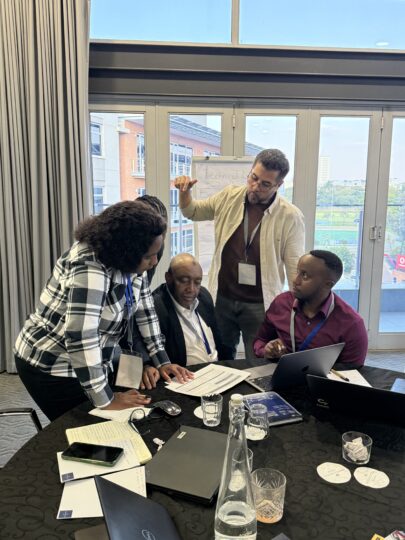
The programme also provided a valuable platform for peer learning and exchange among practitioners from across the region. Participants particularly valued the practical nature of the programme and the opportunity to exchange experiences with peers facing similar challenges in their respective countries. Through group exercises, case studies and discussions, participants explored common challenges, shared experiences from their respective countries and worked collaboratively to identify practical approaches for advancing digital transformation in social protection systems.
One participant noted: “The instructors have an excellent grasp of the subject and have kept us engaged with exercises that apply the theory in real-world scenarios and cases.”
Another participant reflected: “I learned that successful digital transformation requires strong governance, collaboration, continuous improvement and a people-centred approach.”
The Pretoria training forms part of DCI’s growing portfolio of capacity development initiatives supporting countries in building more integrated, inclusive and citizen-centred social protection systems. Through regional and national training programmes, knowledge products and technical cooperation, DCI continues to support governments and institutions in strengthening their capacity to harness digital technologies to improve social protection outcomes and advance progress towards universal social protection.
Learn more about DCI’s capacity development workstream.
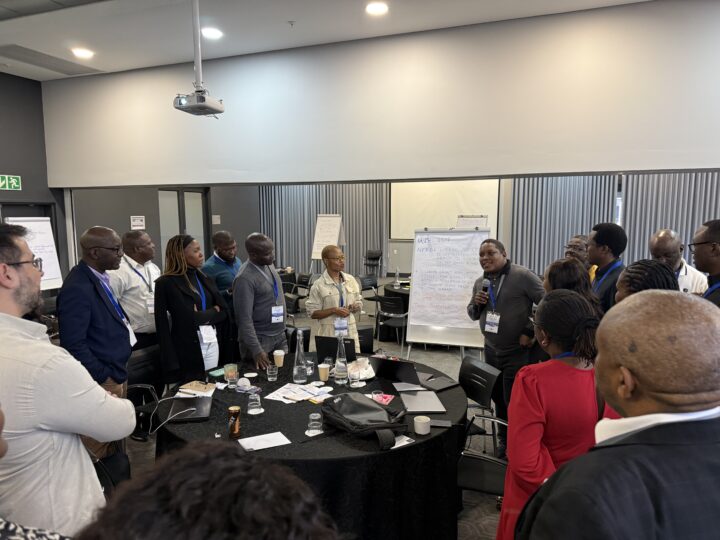 © ILO / Liyuan Xiao
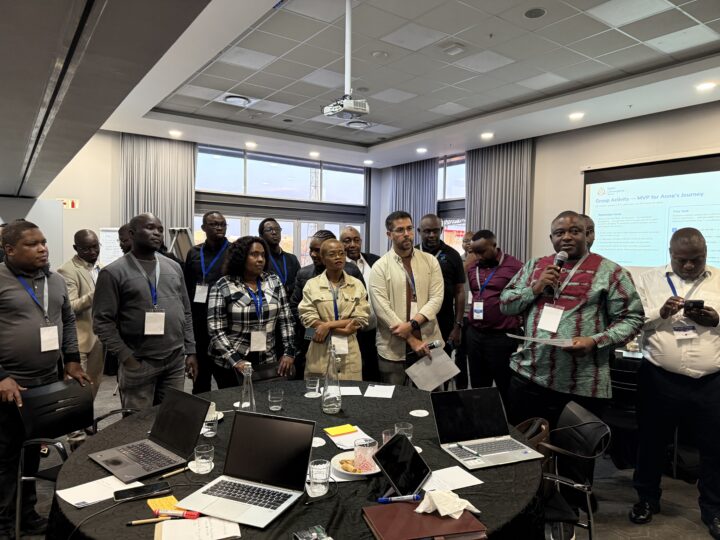 © ILO / Liyuan Xiao
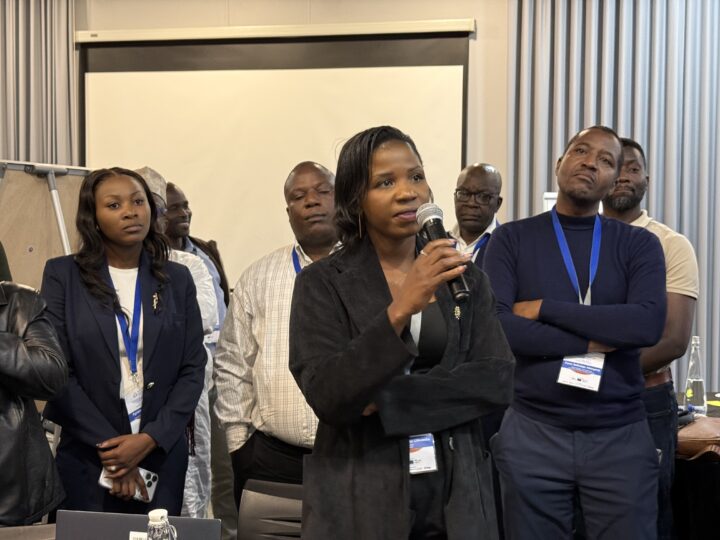 © ILO / Liyuan Xiao