Early warning systems interoperability standards released
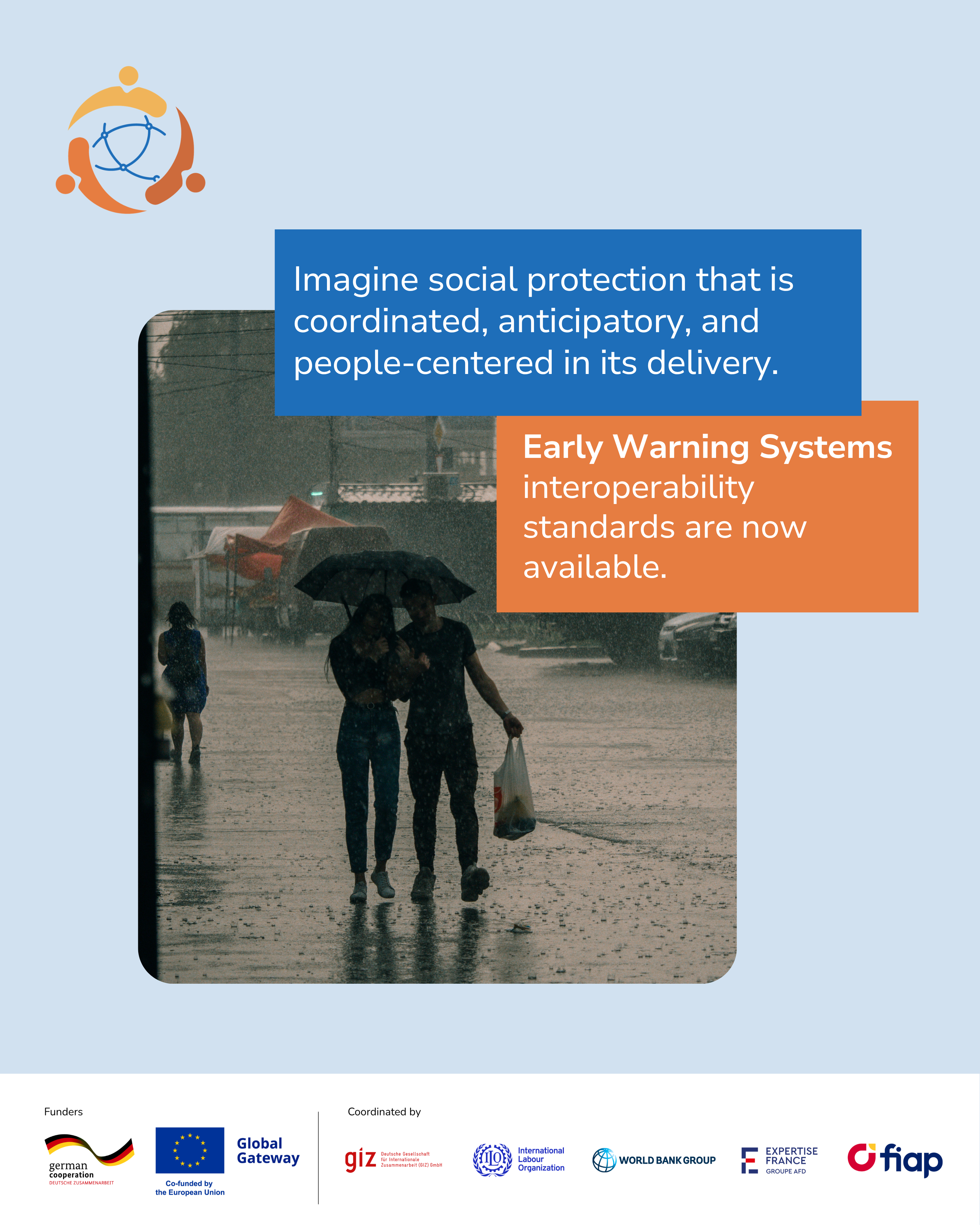
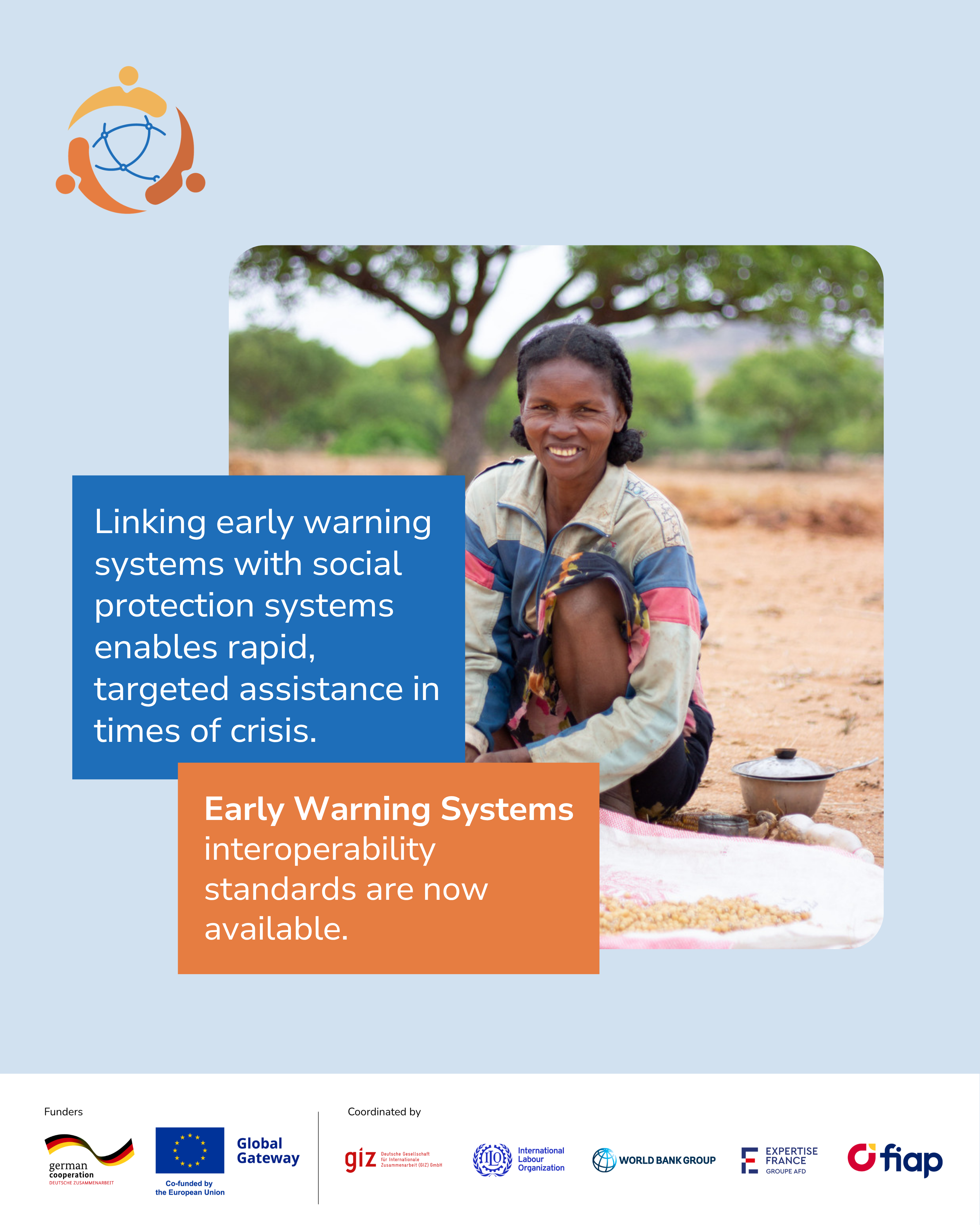
Interoperability between Early Warning Systems (EWS) and Social Protection (SP) systems is essential to ensure that vulnerable populations are identified and supported before shocks escalate into crises. By systematically linking risk intelligence with response mechanisms, governments can transition from reactive assistance to anticipatory, timely, and well-targeted support that strengthens resilience, protects livelihoods, and promotes inclusion.
The Digital Convergence Initiative (DCI), with the endorsement of the USP2030 partnership, has released new interoperability standards focused on enabling secure and reliable interoperability between early warning systems and social protection systems.
Version 1.0.0 of the Interoperability Standards is available on Gitbook. The standards outline standardized processes, data models, and APIs to link early warning systems with social protection systems.
Their main objective of this interface is to ensure that risk signals—including climate hazards, food insecurity alerts, and other shock indicators—can systematically trigger or inform social protection responses. At the same time, social protection systems contribute beneficiary and vulnerability data to strengthen risk analysis, targeting, and preparedness within early warning systems.
This interface represents a practical step toward Adaptive Social Protection, where early warning and social protection systems operate as a seamless continuum—from risk detection, to early action, to sustained support.
This milestone reflects months of in-depth research, thorough review, and close collaboration by the standards committee, which brings together experts from 19 diverse organizations. Their collective expertise has shaped standards that are both robust and practical.