Enhanced social protection for employment
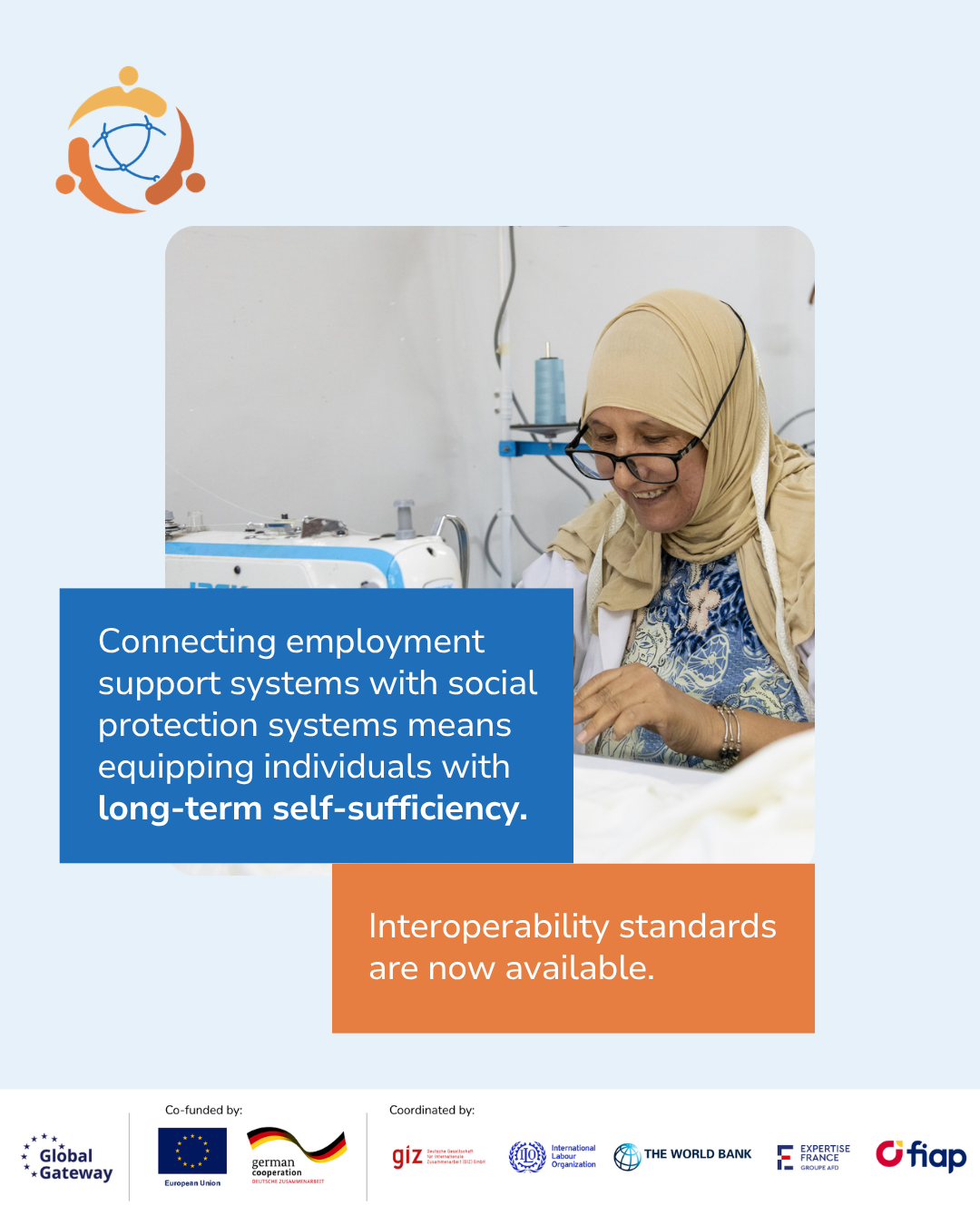
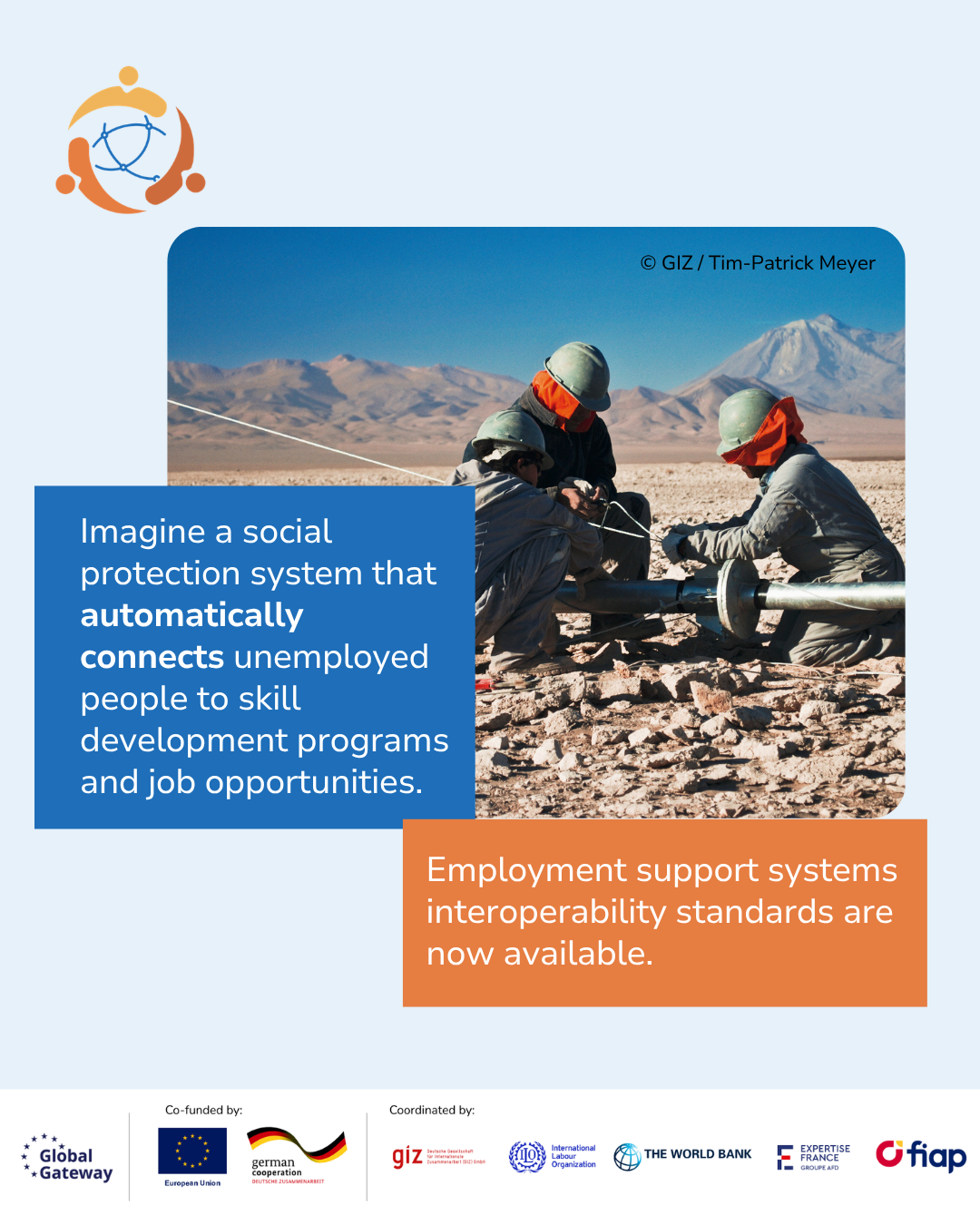
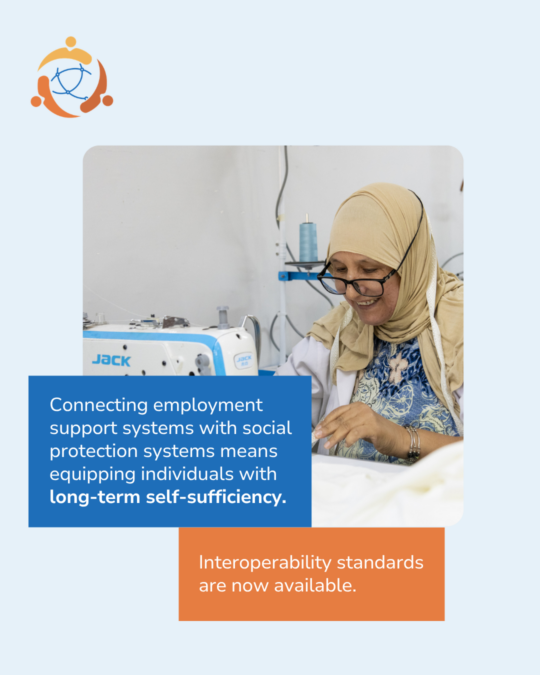
Interoperability between social protection and employment systems provides both immediate support and long-term self-sufficiency. Social protection acts as a safety net, offering essential income support to prevent severe hardship – but its true power emerges when linked with employment initiatives like job training and skill development. This dual approach not only safeguards vulnerable populations during crises, but also equips individuals with the tools and confidence to secure sustainable work, transforming temporary aid into a lasting pathway out of poverty.
The Digital Convergence Initiative (DCI), with the endorsement of the USP2030 partnership, has released new interoperability standards focused on enabling secure and reliable interoperability between employment support systems and social protection systems.
Version 1.0.0 of the Interoperability Standards is available on Gitbook. The standards outline standardized processes, data models, and APIs to link employment support systems with social protection systems. Their main goal is to ensure that workers receiving social protection support can be systematically guided and supported toward employment programs, while employment programs beneficiaries can access social protection when eligible. The standards do not dictate the operational details of either system; instead, they ensure that the required data is securely exchanged in the correct format and that both systems understand the shared information.
This milestone reflects months of in-depth research, thorough review, and close collaboration by the standards committee, which brings together experts from 16 diverse organizations. Their collective expertise has shaped standards that are both robust and practical.