Newsletter – March 2026
Welcome to our quarterly newsletter! Inside, you’ll learn about recent events, upcoming events and opportunities from the Digital Convergence Initiative.
Did someone forward you this e-mail? Subscribe now to receive updates on DCI’s work and events.
Highlights
First DCI country convening
In late 2025, we hosted our first country convening, a space where DCI’s 21 core countries got together to share lessons and experiences from implementing digitalisation to their social protection systems. View the highlights on LinkedIn.
You are currently viewing a placeholder content from YouTube. To access the actual content, click the button below. Please note that doing so will share data with third-party providers.
More InformationRecent blogs

Advancing universal social protection through digital transformation: insights from Doha
The blog reviews DCI’s Solutions Session at the Second World Summit for Social Development in Doha, Qatar, which explored how digital transformation can accelerate universal social protection by making systems more inclusive, resilient, transparent, and people-centred. Speakers showcased how countries like Cambodia, Brazil, and The Gambia have improved their social protection systems through digitalisation. Read more.

Why data governance matters for digital social protection
As countries rapidly digitalise social protection systems, strong data governance is essential to ensure these tools work effectively and ethically rather than excluding or harming the people they are meant to serve. Without clear rules, standards, and institutional arrangements for managing data, digital systems can produce errors, fragmentation, security risks, and delays in crisis response. Read more.

Gender equity in tech is essential for stronger social protection systems
How are women in tech transforming social protection systems? This blog explores the vital role women play in a still male-dominated field, highlighting why gender equity is essential for building inclusive and effective digital systems. Despite their contributions—particularly in human-centred design, ethics, and real-world impact—women remain underrepresented in technical and leadership roles, which can lead to digital tools that fail to meet the needs of women and marginalised groups and risk reinforcing existing inequalities. Read more.
Knowledge products
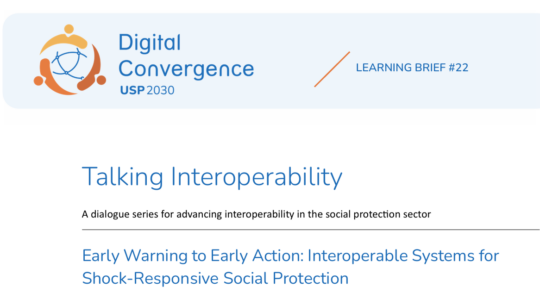
Learning brief: Early warning to early action: systems for shock-responsive social protection
Linking early warning systems with social protection through interoperable data systems enables anticipatory action before a shock hits. Additionally, the brief highlights real-world applications from Malawi and Costa Rica. Read more here.
DCI’s core publications
Have you found our knowledge products useful? We would love to hear your feedback! Fill out our short survey or e-mail us at contact@spdci.org.
Recent events
A data governance framework for digital social protection systems
The launch event of DCI’s latest publication featured a moderated discussion between the author and practitioners, followed by a live Q&A. Drawing on experiences from Chile and Türkiye, the webinar also demonstrated how the framework’s four core pillars — management, quality, access, and security — are applied in practice. Learn more here.
DCI Partner Forum launch
In February, the DCI Partner Forum was launched virtually, bringing together over 30 participants who introduced their work, explored potential synergies, and discussed their expectations, as well as topics and formats of interest for future forums. In addition, a presentation on AI applications in social security was delivered. The DCI Partner Forum will be held quarterly. Contact us at contact@spdci.org if you would like to participate.
Technical standards
Why is interoperability key for achieving universal social protection? Watch our recent video to discover more!
You are currently viewing a placeholder content from YouTube. To access the actual content, click the button below. Please note that doing so will share data with third-party providers.
More InformationUpdates:
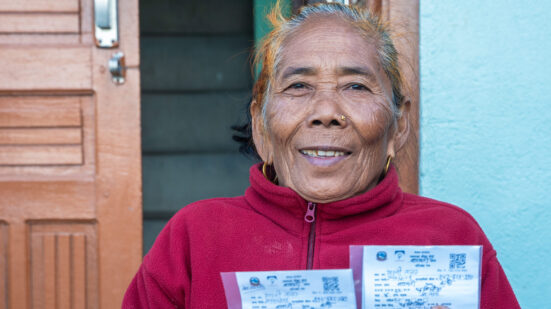
Identification systems interoperability standards recently released and endorsed by USP2030
ID systems are crucial for effective social protection, as they enable accurate identification of individuals, ensuring that benefits reach the right people while preventing duplication and fraud. These standards provide a practical framework that supports cross-system interaction—without prescribing how ID systems themselves should be built or how they interoperate with non-SP systems. Access them here.
CRVS interoperability standards were officially found compliant with the European Interoperability Framework (EIF) principles
Using the European Commission’s Common Assessment Method for Standards and Specifications (CAMSS) framework, this assessment confirms that our technical specifications for data exchange between CRVS systems meet the highest international standards for:
- Neutrality: Avoiding vendor lock-in through unbiased specs
- Transparency: Open, reusable, and trusted data models
- Efficiency: Seamless APIs that improve service delivery
Call for experts: Social protection and early warning systems
Are you working at the intersection of social protection and early warning systems? We are looking for experienced professionals to join the DCI Interoperability Standards Committee. This committee will take on the crucial task of reviewing draft standards and building consensus to strengthen how systems work together. If you are interested in contributing your expertise, send us a message at: contact@spdci.org. More details here.
Why are Early Warning Systems standards important? Integrating early warning systems with social protection systems strengthens preparedness, responsiveness, and resilience to shocks. It enables timely data sharing, supports anticipatory action, and facilitates rapid, targeted assistance when risks emerge.
Events on interoperability standards

Early warning to early action: systems for shock-responsive social protection
The Talking Interoperability webinar #22 focused on how the integration of early warning systems with social protection systems. Drawing on experiences from Malawi and Costa Rica, the discussion highlighted how stronger alignment between these systems can improve risk monitoring, enhance coordination across institutions, and lead to more effective and inclusive social protection responses. Read the learning brief and watch the recordings here.

9th Interoperability in Action webinar: Social protection systems interacting with early warning systems
This session showcased the benefits of interoperability through use cases, live demonstrations of some use cases and perspectives from global organizations and countries. Participants were encouraged to engage in open discussions. We also welcomed input on the availability of various open-source and other solutions that implement early warning systems, helping to build consensus on standards. Watch the recording here.
Country support
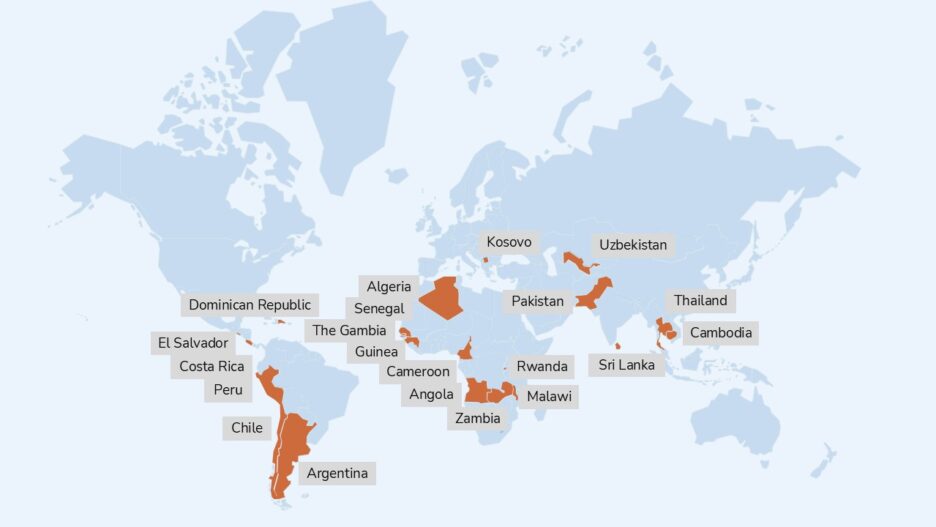
Country focus: Peru

Peru’s largest social protection program went digital with the “Conecta Juntos” app
Peru’s Ministry of Development and Social Inclusion (Midis), through the Juntos program, presented the “Conecta Juntos” app, an innovative digital tool that modernises and simplifies communication between the program and more than 830,000 affiliated households. The application was developed with the support of the global project Digital Transformation of Social Protection Systems, within the framework of the DCI. It allows users to independently update their personal data; consult information on subsidies and economic incentives; review alerts and co-responsibility commitments; find out the validity of their Socioeconomic Classification (CSE); and verify the members of their household registered in the program. With this app, the Juntos program seeks to reduce the operational burden on local offices, optimise institutional processes, and strengthen transparency in management, and strengthen interoperability with other government institutions. Read the news here.
Capacity development
Digital transformation training concludes in Nairobi, Kenya

The “Digital transformation in the public sector” course successfully concluded in Nairobi, Kenya, on January 31, 2026, bringing together 36 participants from 18 different countries to strengthen leadership and institutional capacity for digital government and interoperable public service delivery. Jointly delivered by the International Labour Organisation (ILO), the International Telecommunication Union (ITU) and the African Advanced Level Telecommunications Institute (AFRALTI) this training provided participants with practical and strategic insights into how digital technologies can support public sector modernisation, improve governance and enable more coordinated, efficient and user-centred services. More details here.
New online self-paced learning series on digital transformation and interoperability for social protection

DCI launched an online learning series on Digital Transformation and Interoperability for Social Protection, developed by the International Labour Organisation (ILO) and socialprotection.org. This self-paced series builds on the DCI training curriculum, which has been implemented and refined through global and country-level training sessions to equip policymakers, programme managers, and practitioners with knowledge, skills, and competencies to drive digital transformation in social protection systems. The course modules currently available are:
Recommended resources
A free, self-paced e-learning course on AI for Health Insurance is now available. Designed for practitioners and policymakers in health ministries, insurance agencies, and international organisations, the course features adaptable content – covering data management, fraud prevention, governance, and ethics – rooted in the actual challenges faced by participating countries. It was launched by GIZ, ADB, openIMIS, and Amref Health Africa, based on input from experts and practitioners from 18 countries. Participants will be awarded a certificate of completion. Explore here.
Subscribe to our mailing list to receive updates on DCI’s work and events.