Newsletter – September 2026
Welcome to our third quarterly newsletter of 2026! Inside, you’ll learn about recent and upcoming events, latest blogs and publications, and opportunities from the Digital Convergence Initiative.
Subscribe now to receiving updates from us in your inbox.
Celebrating #5YearsofDCI
This September marks five years since DCI’s founding in 2021 as part of the USP2030 movement. Watch Ralf Radermacher’s (Head of Section (Health, Social Development, Digitalization), GIZ) reflection on the initiative’s original goals and the evolution of its values.
Click here to watch on YouTube.
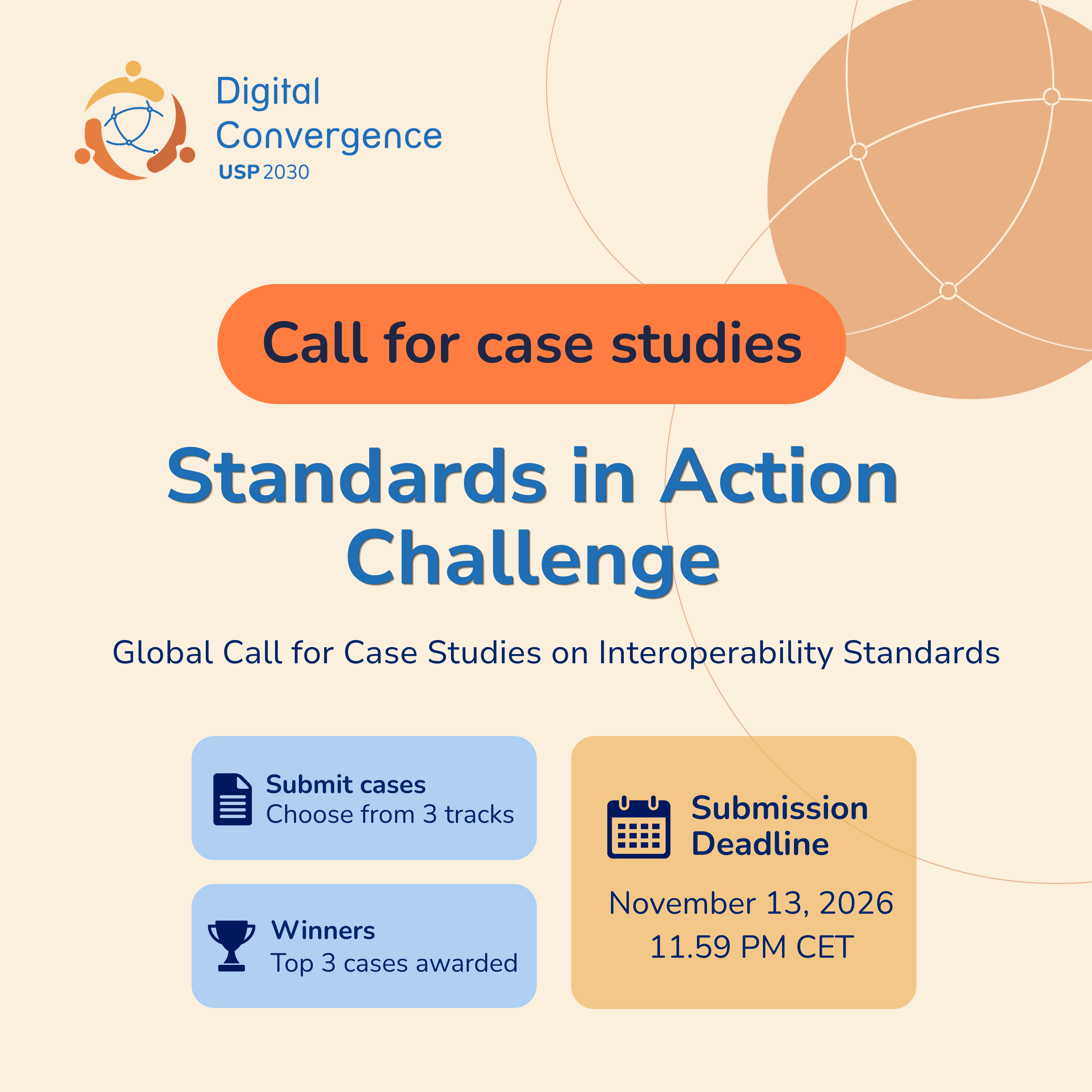
Standards in Action Challenge
DCI is calling on governments, technical teams, and development partners worldwide to submit case studies on successful interoperability experiences, lessons from non-adoption of standards, and examples of DCI standards adoption.
Next office hours: October 8, 2:00 p.m. – 3:00 p.m. CEST | Sign up here.
Five years, 150 partner institutions, one shared vision: the DCI’s journey so far
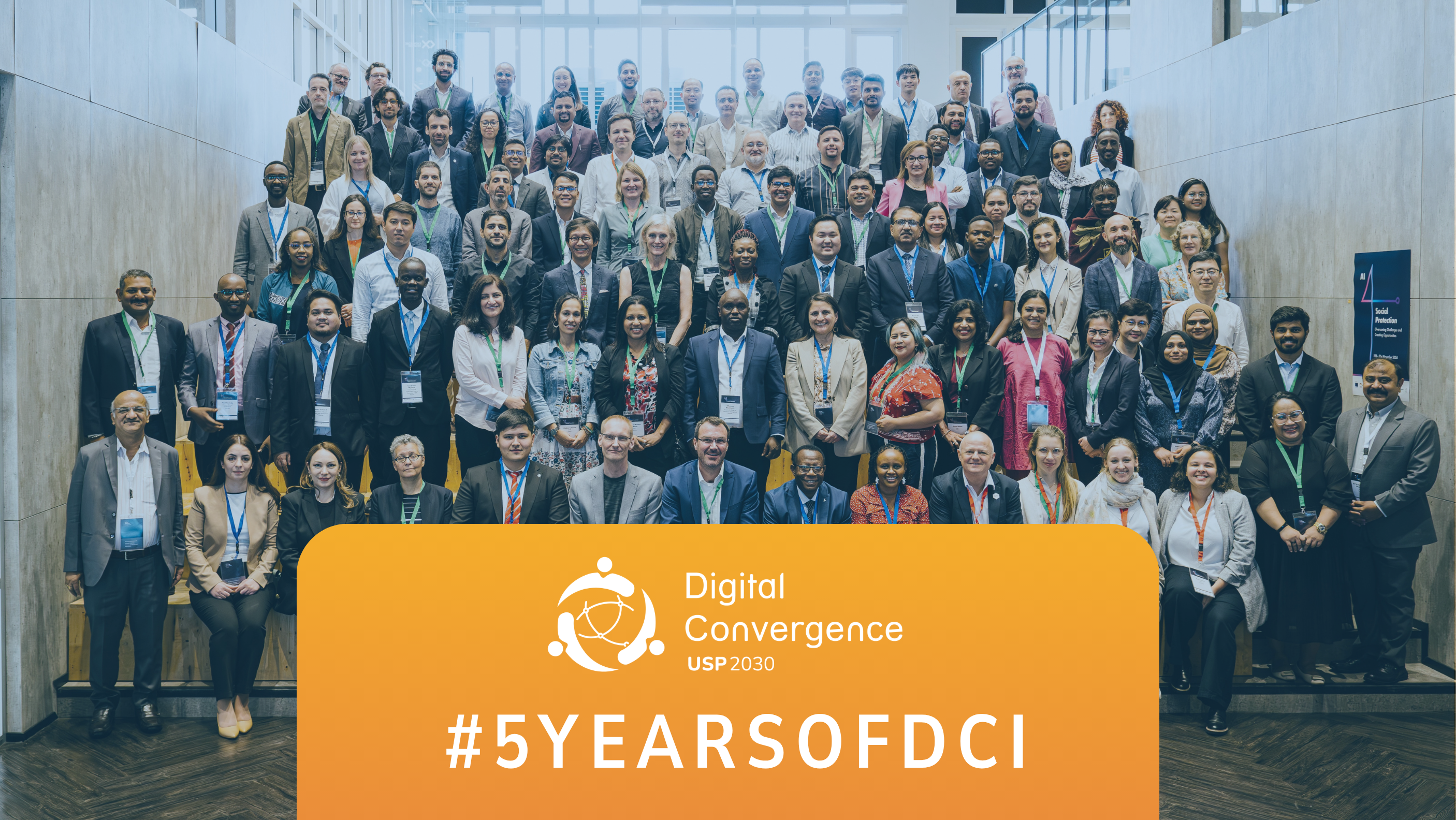
Five years ago, on September 15, 2021, the Digital Convergence Initiative was launched with one goal: expanding and enhancing social protection through inclusive, interoperable digital systems. Read our latest blog that covers the DCI journey so far.
DCI Partner forum
The third DCI Partner Forum took place on September 24, 2026, bringing together over 30 people from different organisations working on digital social protection worldwide. This session focused on the approaches to interoperability between humanitarian and social protection systems and what the two communities can learn from each other. Mattia Polvanesi from UNHCR, presented his perspective on entry points for humanitarian–social protection interoperability, and talked about ongoing discussions on interoperability within the UNHCR, as well as the present core tensions and open questions when thinking about humanitarian–social protection interoperability.
Read more information here about the DCI Partner Forum and send a message to contact@spdci.org if you would like to join the upcoming session.
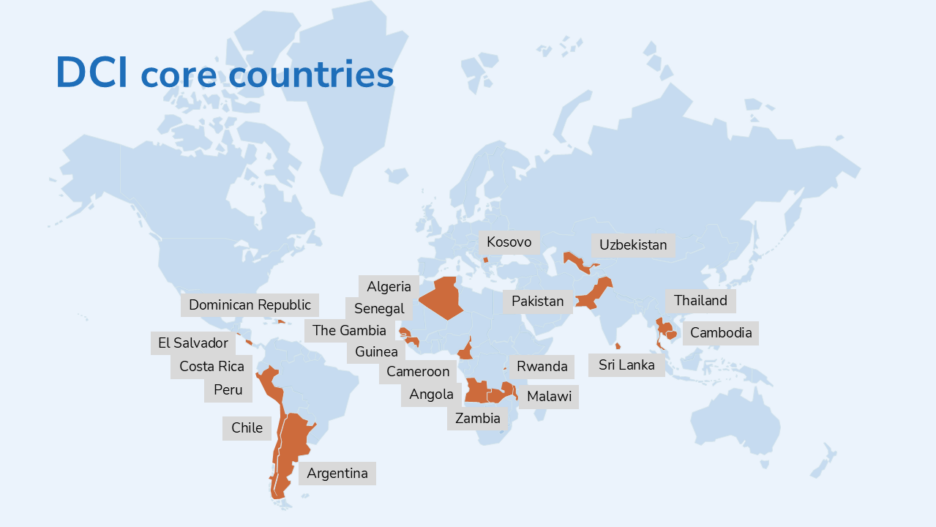
DCI coordinating partners assist selected countries in digitally transforming their social protection systems to enhance the delivery of benefits and services.
Click here to learn more.

Pakistan
In Khyber Pakhtunkhwa province, DCI is supporting efforts to align social protection data systems across provincial and federal levels, building on the province’s 2025 launch of a Social Protection Integrated Beneficiary Registry (IBR) with ILO and GIZ support, which consolidates beneficiary data into a single digital system linked to unique IDs. As of July 2026, the Khyber Pakhtunkhwa Integrated Beneficiary Registry (KP-IBR) holds 1.2 million beneficiary records from more than 65 social protection programs across nine departments, with new records added on an ongoing basis. Institutional changes in the region reflected that a sector of 13 departments that previously operated in isolation now share data under a common legal framework. KP is also among the first province in Pakistan to operate an integrated beneficiary registry connecting provincial programs with federal registries and disaster management systems.

Senegal
In July 2026, Senegal’s Ministry of Family, Social Action and Solidarity and Ministry of Telecommunications and Digital Affairs convened a two-day strategic workshop in Saly, with the technical support from Expertise France under DCI, dedicated to harmonising and interconnecting the country’s social sector information systems.
While Senegal has developed a rich and diverse portfolio of social programs, the workshop addressed opportunities for greater coherence across the social protection landscape, where information systems have historically evolved in parallel, creating potential for duplicated efforts and scope for enhanced efficiency in service delivery. Ministerial experts, sectoral structures and financial partners worked collaboratively to take stock of existing platforms and define shared data governance rules. The event contributed directly to the implementation of Senegal Vision 2050 and the National Development Strategy (NDS) 2025–2029, and reflected a collective commitment to a more integrated, people-centered social protection system.
Save the date: October 15, 2026
Talking Interoperability #24: Making Social Security Portable: From Rights to Digital Delivery – What countries can learn from international frameworks, the European Union’s Electronic Exchange of Social Security Information (EESSI) and emerging approaches to cross-border portability
The webinar will introduce participants to the key concepts, implementation challenges and practical lessons surrounding portability in different country contexts. It will combine experience from ongoing ILO and ISSA country-level work with relevant standards, guidance and emerging approaches to international data exchange. An EU perspective will illustrate how digital information exchange can operate at scale, highlighting both the achievements of the European system and the lessons learned from its development. Together, these inputs will provide countries with a foundation to start or further develop portability arrangements and cross-border social security coordination.
Speakers: (More TBC)
- Rodolfo Beazley, Independent public affairs advisor and researcher
- Ondra Pravda, European Comission
- Raul Julian Frick Ruggia, Director, Social Security Development Branch, ISSA

Six interoperability standards are now compliant with EIF
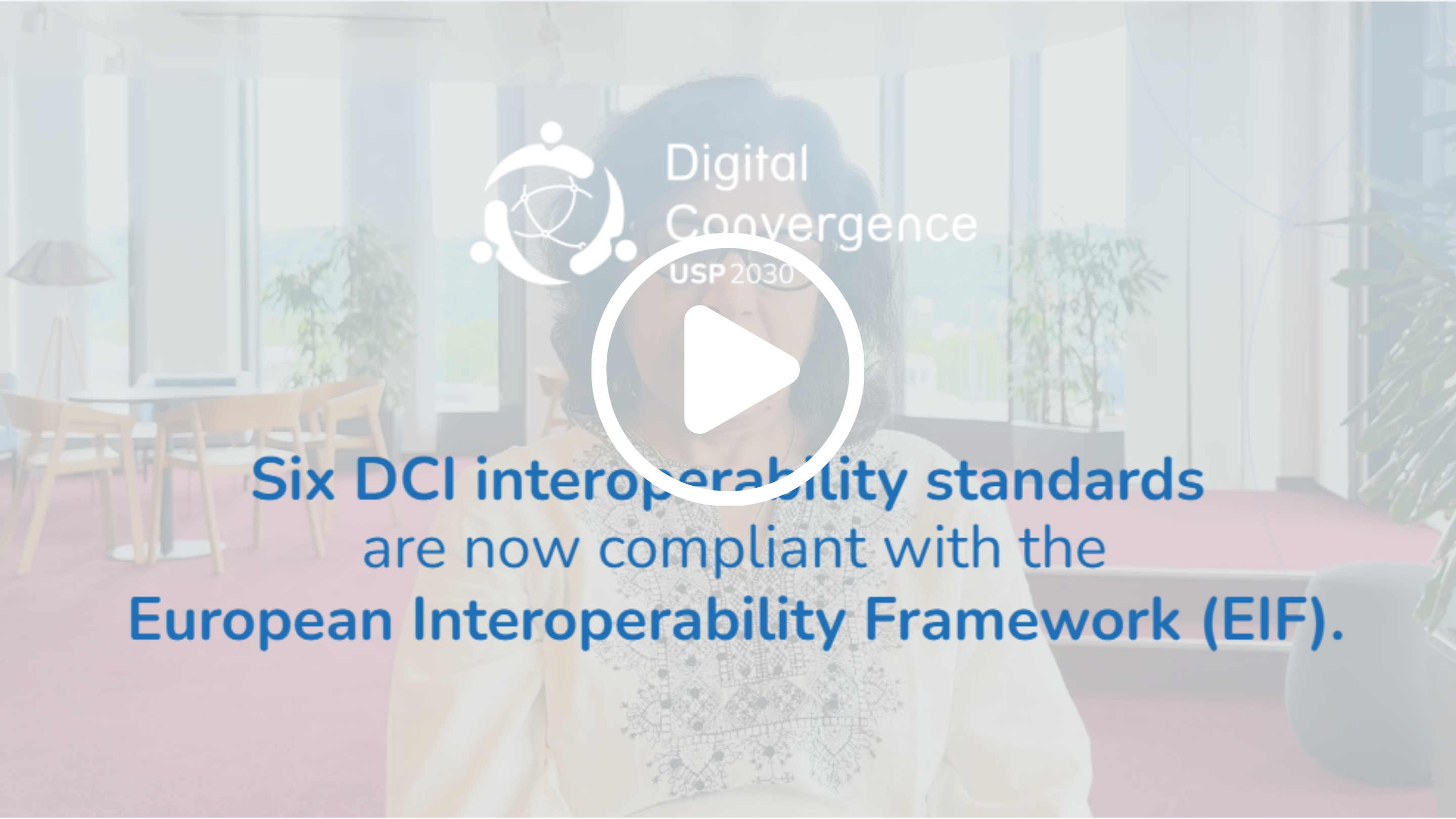
Watch Anita Mittal, DCI Component Lead at GIZ, talk about DCI’s six interoperability standards- civil registry and vital statistics, integrated beneficiary registry, social registry, disability registry, farmer registry and employment support systems being compliant with the principles of the European Interoperability Framework (EIF). Each standard was independently assessed using the European Commission’s Common Assessment Method for Standards and Specifications (CAMSS), through the CAMSS Assessment EIF Scenario.
Latest Blogs


Recent Publications
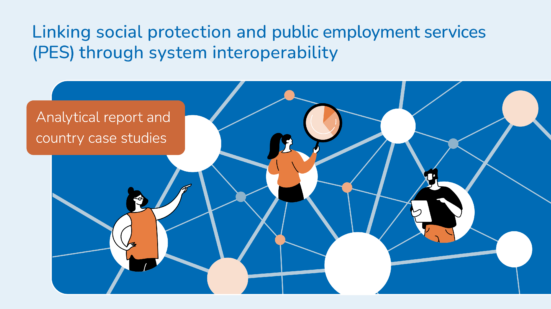
Linking social protection and PES through system interoperability
This report explores how digital interoperability can strengthen coordination between social protection systems and public employment services.
The study features extensive review of literature on the subject and in-depth analysis of three country case studies from Chile, the Republic of Korea and Türkiye.
Read here.
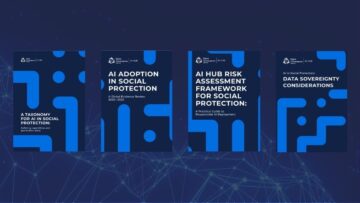
AI in Social Protection: Data Sovereignty Considerations
This publication helps institutions think through data sensitivity and sovereignty risk when adopting AI and the implications of how data and technology are managed, including the risks of relying on externally hosted models trained on sensitive national data.
Read here.
AI Hub Risk Assessment Framework for Social Protection
A foundational guide for practitioners navigating the risks of applying AI in social protection, structured to walk users from conceptual questions (what kinds of risk does AI introduce?) through to practical risk assessment and post-implementation monitoring.
Read here.
AI Adoption in Social Protection: A Global Evidence Review (2020–2025)
This is the first global mapping of how social security institutions are using AI to improve service delivery, efficiency, and oversight. Drawing on verified use cases documented across countries, it shows AI already supporting a wide range of functions and provides a starting point for understanding what’s working, what isn’t, and why.
Read here.
A Taxonomy for AI in Social Protection: Defining capabilities and application areas
This publication establishes a shared vocabulary for the sector, mapping key AI capabilities to application areas (“use cases”) within social protection. Developed with input from the World Bank, ISSA, and OECD, it’s a living “version 1” the AI Hub will update as the field evolves.
Read here.
Capacity Development
All three modules of the learning series “Digital transformation and interoperability in social protection” developed by the International Labor Organization (ILO) and socialprotection.org under the Digital Convergence Initiative are now available for enrollment.
Digital transformation and interoperability training in social protection in Angola

The training conducted by Digital Convergence Initiative (DCI) concluded on Friday, June 19, 2026. It was organised by the International Labour Organization in partnership with The World Bank and FAS – Instituto de Desenvolvimento Local. Over five days, the initiative brought together representatives from various Angolan institutions, the World Bank, as well as participants from Mozambique and São Tomé and Príncipe.
Subscribe to our mailing list to receive updates on DCI’s work and events.